

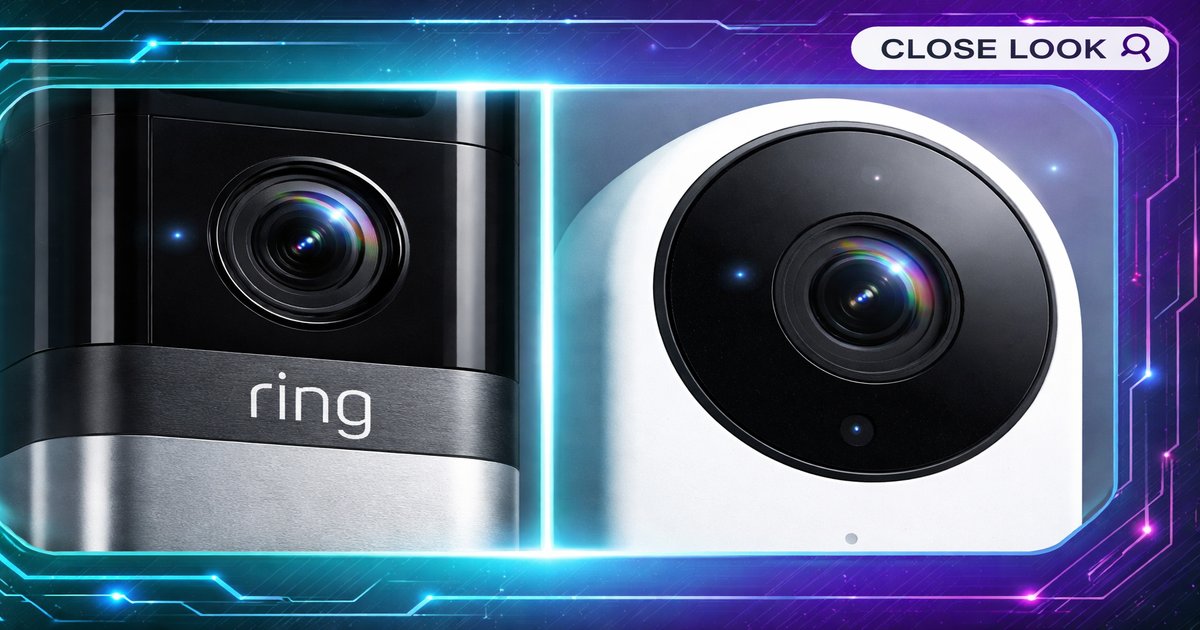

You’re ready to beef up your home security, but you’re torn between the Ring Doorbell and Google Nest. Both are big names in the smart doorbell game, but which one truly watches your back? Let’s break down the battle between these two titans to see which one deserves a spot at your front door.
| Feature | Ring Doorbell | Google Nest |
|---|---|---|
| Video Resolution | 1080p | 1600 x 1200 |
| Field of View | 155 degrees | 160 degrees |
| Night Vision | ✓ | ✓ |
| Two-way Audio | ✓ | ✓ |
| Subscription Required for Full Features | ✓ | ✓ |
| Integration with Smart Home Devices | Amazon Alexa | Google Home |
✅ ring doorbell Pros
- Wide field of view at 155 degrees.
- Established integration with Amazon Alexa.
- Robust mobile app with intuitive interface.
❌ ring doorbell Cons
- Requires subscription for cloud storage.
- Limited integration outside the Amazon ecosystem.
- Occasional connectivity issues reported.
✅ google nest Pros
- Higher resolution video at 1600 x 1200.
- Seamless integration with Google Home.
- Advanced motion detection features.
❌ google nest Cons
- More expensive upfront cost.
- Subscription required for many features.
- Setup can be cumbersome for non-Google users.
Performance
When it comes to performance, the Google Nest takes the cake with its higher resolution at 1600 x 1200, providing a clearer image, which is crucial if you want to identify faces or details like license plates. The Ring Doorbell’s 1080p is still solid, but in comparison, it just doesn’t match up. If you’re someone who frequently reviews footage, the Nest’s superior clarity will make a noticeable difference. Both offer night vision and two-way audio, so you’re covered when the sun goes down or when you need to talk to delivery drivers.
Build Quality
Both devices are built to withstand the elements, but the Ring Doorbell feels a bit more rugged. It’s designed to handle a broader range of temperatures and has a slightly more durable feel to it. The Google Nest, while not flimsy, feels like it prioritizes aesthetics over robustness. If you live in a harsh climate or have a heavy-handed household, you might lean towards the Ring for peace of mind. However, both devices will serve well in typical conditions.
Value
Value is where the Ring Doorbell starts to pull ahead if you’re already in the Amazon ecosystem. Its lower initial cost and the option for cheaper subscription plans make it a friendlier option for budget-conscious buyers. The Google Nest, while pricier, offers more advanced features and integrates seamlessly with Google Home, which might justify the cost for users who are already invested in Google’s ecosystem. It’s a classic case of getting what you pay for, depending on your needs and existing smart home setup.
Both devices will nickel and dime you with subscriptions to unlock their full potential. Without them, you’re stuck with limited features. Connectivity issues can plague the Ring, especially in homes with spotty Wi-Fi. Google Nest, while technically impressive, can feel overwhelming to set up if you’re not already in the Google camp.
Our Final Verdict: Which One Should You Buy?
If you’re looking for a solid performer without breaking the bank and you’re already using Amazon devices, the Ring Doorbell is your go-to. It’s straightforward, effective, and cost-efficient with its subscription models. On the other hand, if you crave high video quality and have a Google-centric smart home, the Nest is worth the investment. The additional features and integrations will feel like a natural extension of your existing setup.
Does the Ring Doorbell work with Google Home?
Not natively. Ring is designed to integrate seamlessly with Amazon Alexa. While workarounds exist, they’re not straightforward and may not provide full functionality.
Do both devices require a subscription?
Yes, both devices require a subscription to access cloud storage and advanced features. Without it, you’ll have very limited access to saved footage.
How long do these devices typically last?
Both the Ring Doorbell and Google Nest are built to last several years, with proper care. Expect 3-5 years of good performance, depending on environmental factors and usage.