


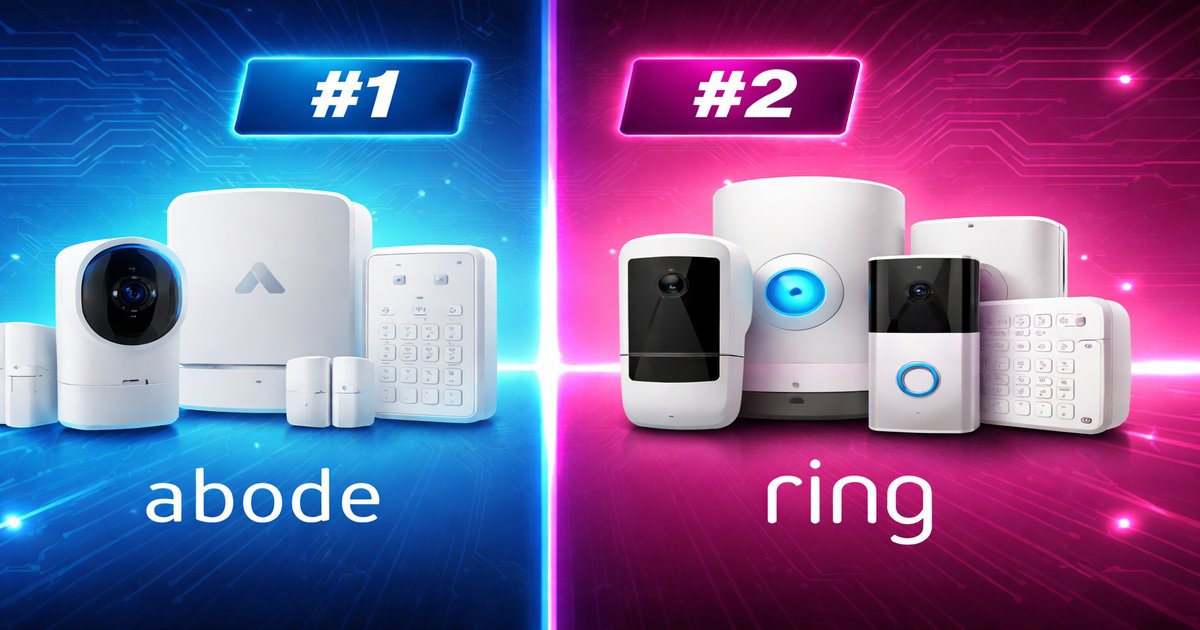

You’re finally fed up with those porch pirates and package thieves, and you’re ready to take action. But when it comes to choosing the right security camera, you’re torn between Arlo and Ring — two giants in the home security market. Let’s break down these two to see which one deserves a spot on your front porch.
| Feature | Arlo | Ring |
|---|---|---|
| Video Quality | 4K | 1080p |
| Field of View | 160° | 140° |
| Two-Way Audio | ✓ | ✓ |
| Smart Home Integration | ✓ (Alexa, Google Assistant, HomeKit) | ✓ (Alexa) |
| Subscription Required for Recording | ✓ | ✓ |
| Battery Life | 3-6 months | 6-12 months |
| Price Range | $199 – $499 | $99 – $249 |
✅ arlo Pros
- Superior 4K video quality provides crystal clear footage.
- Wide 160° field of view covers more area.
- Supports multiple smart home systems, including Apple HomeKit.
❌ arlo Cons
- Higher price point can be off-putting for budget-conscious buyers.
- Shorter battery life compared to Ring.
- Subscription necessary for full functionality.
✅ ring Pros
- More affordable price range fits tighter budgets.
- Longer battery life means less frequent recharging.
- Seamless integration with Amazon Alexa.
❌ ring Cons
- Only 1080p video quality, less detailed than Arlo’s.
- Narrower 140° field of view misses some angles.
- Limited smart home compatibility — mainly Alexa.
Performance: Arlo’s Crisp 4K vs. Ring’s Practical 1080p
When it comes to video quality, Arlo is the clear winner. If you’re the type who likes to zoom in on footage to catch the tiniest detail, Arlo’s 4K resolution will satisfy your CSI ambitions. Meanwhile, Ring offers 1080p, which is fine for most users and keeps the file sizes manageable. It’s practical, but if you have the extra cash and want the best of the best, Arlo’s crisp 4K is a standout feature that could make all the difference when identifying suspects.
Build Quality and Design: Sophistication or Simplicity?
Arlo cameras have a sleek, modern design that looks high-end and sophisticated. They’re built to withstand the elements and blend well with contemporary home exteriors. Ring cameras, on the other hand, lean towards a more utilitarian design. They get the job done without any frills. If aesthetics matter to you, Arlo might win your heart. However, if you’re more about function over form, Ring is perfectly adequate and unobtrusive.
Value: Features vs. Cost
Arlo does come with a heftier price tag, but you get a ton of features that make it worth the investment — if you can afford it. The integration with multiple smart home systems and superior video quality justify the cost for tech enthusiasts. Ring, being more budget-friendly, offers a good set of features for the price, making it ideal for those who want reliable security without breaking the bank. If you’re looking to protect your home without splurging, Ring is the way to go.
Both Arlo and Ring require subscriptions for cloud storage, which can add up over time. Arlo’s battery life is a bit of a letdown too; you’ll find yourself up a ladder more often. Ring’s video quality is decent, but don’t expect to read license plates from afar. Also, if you’re not in the Amazon ecosystem, Ring’s limited smart home compatibility might be a bummer.
Our Final Verdict: Which One Should You Buy?
If you’re an Apple aficionado or someone who craves top-tier video quality, Arlo is your go-to. It’s pricey but packed with features and integrations that tech lovers will appreciate. On the other hand, if you’re budget-conscious and just want a straightforward security solution without fuss, Ring is your match. It gets the job done effectively, especially if you’re already using Alexa devices.
Does Arlo work with Apple HomeKit?
Yes, Arlo supports Apple HomeKit along with Alexa and Google Assistant, offering more integration options.
How often do I need to charge the batteries?
Arlo’s batteries last about 3-6 months, while Ring’s can last 6-12 months depending on usage.
Is the subscription necessary for both?
Yes, both Arlo and Ring require subscriptions for cloud storage and advanced features, which add to the overall cost.