


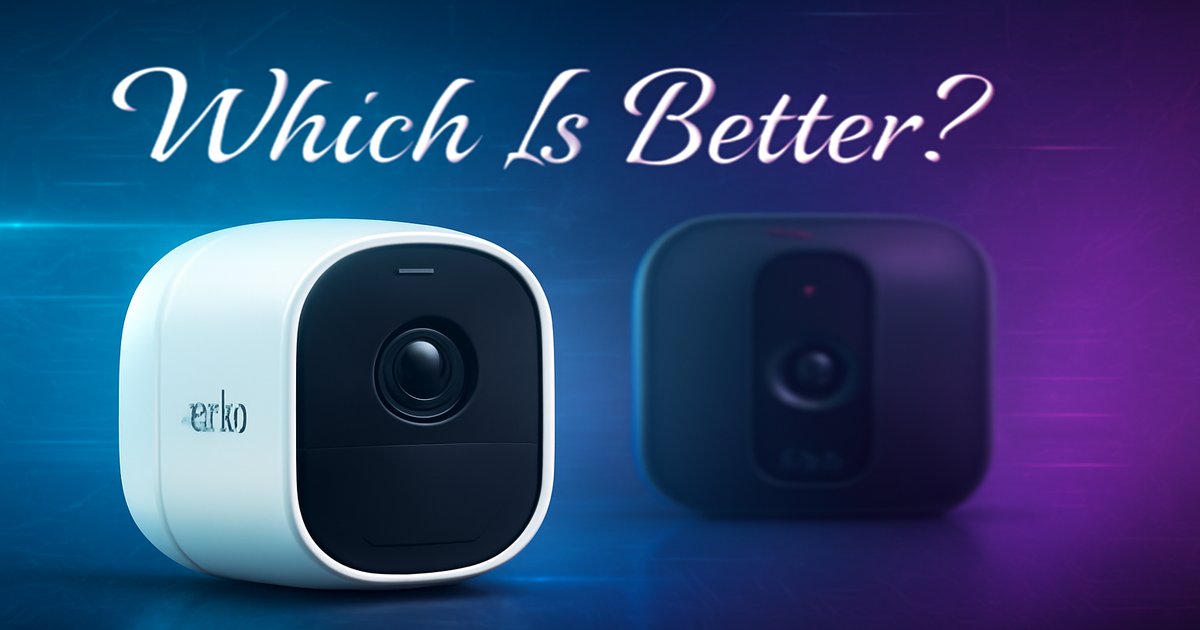

You’re considering beefing up your home security, but the market is flooded with options. Two names that keep popping up are Arlo and Blink. Both have their merits, but which one will actually give you peace of mind without making you feel like you’re living in a fortress?
| Feature | Arlo | Blink |
|---|---|---|
| Video Resolution | 2K | 1080p |
| Field of View | 160° | 110° |
| Battery Life | 6 months | 2 years |
| Night Vision | ✓ | ✓ |
| Cloud Storage | Available with subscription | Free for two hours |
| Two-Way Audio | ✓ | ✓ |
| Smart Home Integration | Amazon Alexa, Google Assistant, Apple HomeKit | Amazon Alexa, IFTTT |
✅ arlo Pros
- Superior video quality with 2K resolution.
- Wide field of view covers more area.
- Integration with multiple smart home systems.
❌ arlo Cons
- Shorter battery life compared to Blink.
- Cloud storage requires a subscription.
- Higher upfront cost.
✅ blink Pros
- Long-lasting battery life of up to 2 years.
- More affordable pricing.
- Free limited cloud storage.
❌ blink Cons
- Lower video resolution at 1080p.
- Narrower field of view.
- Limited smart home integrations.
Performance: Video Quality vs. Battery Life
Arlo’s 2K video resolution is a game-changer if you’re keen on capturing fine details like license plates or facial features. It’s perfect for those who don’t mind a slightly higher battery turnover for the clarity it provides. On the other hand, Blink’s 1080p is no slouch and offers decent quality, but it shines in battery longevity. If you hate the thought of frequent re-charges, Blink’s two-year battery life is a godsend, especially for hard-to-reach installations.
Build Quality: Design and Durability
Arlo cameras feel robust and premium, with a weather-resistant design that can withstand harsh conditions. It’s a reliable choice if your setup involves outdoor security in unpredictable weather. Blink, while not as rugged, still offers decent weather resistance but feels a bit plasticky in comparison. However, for the price-conscious consumer, the build is adequate for most indoor and mild outdoor conditions without breaking the bank.
Value: Features vs. Cost
Arlo offers a wealth of features with its smart integrations and superior video quality, but you’ll pay a premium for it. It suits tech enthusiasts who want a seamless smart home experience. Blink, however, provides excellent value for those who want basic security without the frills. The free cloud storage and long battery life make it a cost-effective option for the budget-conscious who still want some level of remote monitoring.
Most reviews gloss over the fact that while Arlo offers more features, their ecosystem is heavily reliant on subscriptions for cloud storage and advanced features, which can add up over time. Blink’s free cloud storage is limited to two hours of footage, a detail that can be inconvenient if you need to review an incident from a few days prior. Lastly, both systems can suffer from occasional connectivity issues, especially if your Wi-Fi isn’t top-notch.
Our Final Verdict: Which One Should You Buy?
Arlo is your best bet if you prioritize high-quality video and have the budget for premium features and subscription services. It’s ideal for tech-savvy homeowners who want a comprehensive, smart-integrated security system. Blink, however, is the choice for you if simplicity and long battery life are what you need. It’s perfect for renters or those new to home security who want a set-it-and-forget-it solution without a subscription commitment.
How easy is it to install each camera system?
Both Arlo and Blink offer straightforward installation processes, but Blink edges out in simplicity with its wire-free design and longer battery life, making it more hassle-free for non-techies.
Do either of these cameras work with smart home systems?
Arlo has broader compatibility, working with Alexa, Google Assistant, and Apple HomeKit. Blink is limited to Alexa and IFTTT, which may influence your choice if you use multiple smart platforms.
Are these cameras suitable for outdoor use?
Yes, both cameras are designed for outdoor use, but Arlo offers a more robust weather-resistant build, making it more suitable for harsher climates.