

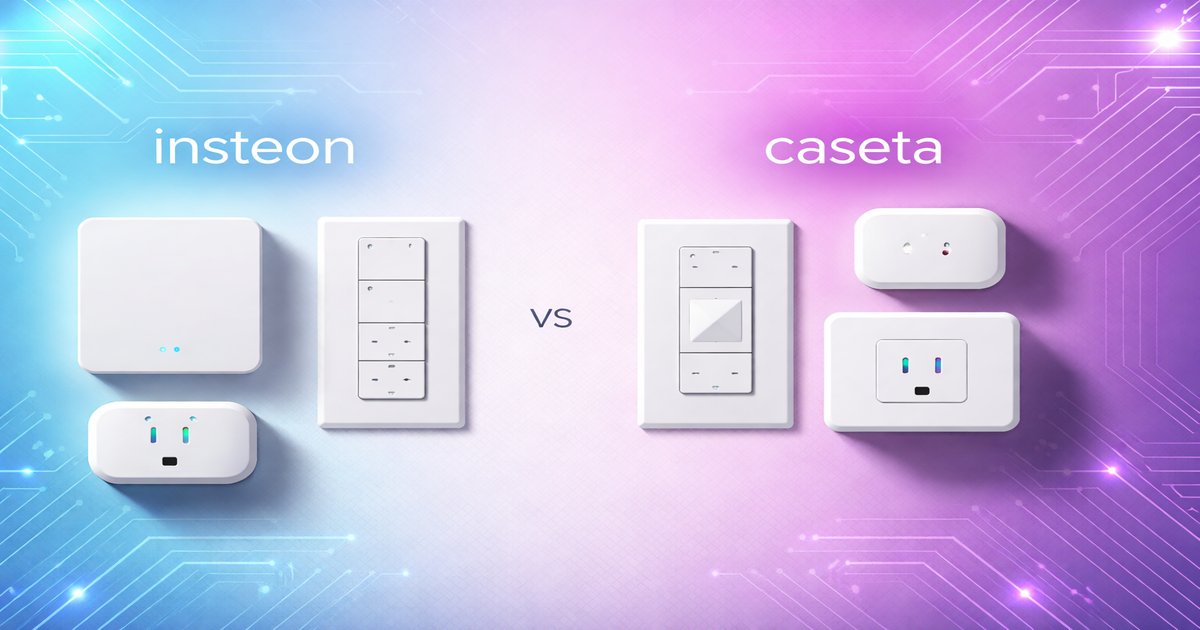

You’ve finally decided to smarten up your home lighting, but the endless options are enough to dim anyone’s enthusiasm. Insteon and Caseta by Lutron are two popular choices, each with their quirks and perks. Let’s cut through the noise and see which one fits your smart home vision best.
| Feature | Insteon | Caseta |
|---|---|---|
| Protocol | Dual-band (Powerline + RF) | Clear Connect RF |
| Hub Required | ✓ | ✓ |
| Voice Control | ✓ (Alexa, Google) | ✓ (Alexa, Google, HomeKit) |
| Dimmer Switches | ✓ | ✓ |
| App Usability | Average | Excellent |
| Compatibility with Other Smart Products | Limited | Wide |
| Price Range | $$ | $$$ |
✅ insteon Pros
- Dual-band communication offers reliable connectivity.
- Flexible automation options for tech-savvy users.
- More affordable entry-level pricing than Caseta.
❌ insteon Cons
- Requires a hub that can be tricky to set up.
- Limited compatibility with third-party devices.
- App interface feels outdated and clunky.
✅ caseta Pros
- Seamless integration with Apple HomeKit.
- User-friendly app with intuitive controls.
- Strong compatibility with a range of smart devices.
❌ caseta Cons
- Higher initial investment compared to Insteon.
- Limited to Lutron’s proprietary ecosystem.
Performance and Reliability
Insteon shines with its dual-band communication, which uses both powerline and RF, making it less prone to interference and offering more robust connectivity. This is especially beneficial in larger homes where signals might otherwise struggle. Caseta, on the other hand, employs Lutron’s proprietary Clear Connect RF technology, which is rock-solid for light control but might falter if you have a plethora of RF devices. If your home is full of tech that fights for bandwidth, Insteon might have the edge.
Build Quality and Design
Caseta’s build quality is top-notch, with elegant switches that fit seamlessly into modern homes. Each switch feels premium, with a satisfying tactile response. Insteon switches are functional but lack the visual polish of Caseta’s offerings. If aesthetics and a cohesive look are important to you, Caseta wins hands down. But if you’re more concerned with function over form, Insteon’s more utilitarian design will do the job.
Value for Money
Insteon provides a solid bang for your buck if you’re willing to deal with its setup quirks and limited compatibility. It’s cheaper upfront, making it a tempting choice for those on a budget. Caseta, while costlier, offers seamless integration and a smoother experience overall. If the budget allows, the user-friendly nature and broader compatibility of Caseta justify its higher price tag, especially if you’re already invested in the Apple ecosystem.
Insteon can be a headache for the not-so-tech-savvy due to its complex setup, and its app could use a serious overhaul. Caseta may cost more, but its ease of use and reliability are hard to beat. Beware that both systems lock you into their ecosystems, which could limit future expansions if you’re not careful.
Our Final Verdict: Which One Should You Buy?
If you’re a tech enthusiast who loves tinkering and doesn’t mind a little setup hassle to save some bucks, Insteon is your pick. But if you want an effortless experience, especially if you use Apple products and crave a sleek, reliable system, Caseta is worth the investment.
Can I use Insteon or Caseta without a hub?
Unfortunately, no. Both Insteon and Caseta require their respective hubs to function, which is crucial for communication with your network and other smart home devices.
Are these systems compatible with my existing smart home devices?
Caseta is generally more compatible with a wider range of smart home devices, including Apple HomeKit. Insteon’s compatibility is more limited, primarily working with other Insteon products.
How long do the devices last?
Both Insteon and Caseta devices are built for longevity, with an average lifespan of 5-10 years, depending on usage and environmental factors. Regular updates and maintenance can help maximize their lifespan.