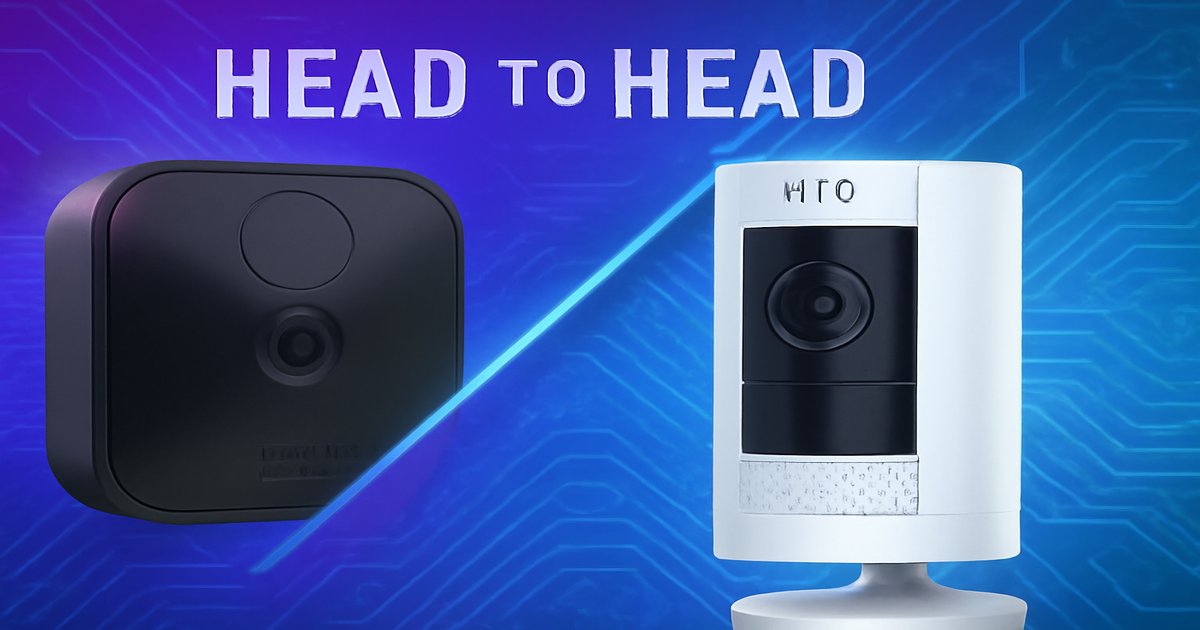

Imagine coming home late at night and wanting the peace of mind that your property is secure. You’re debating between a Blink or Ring system, both promising to be the ultimate guardians of your doorstep. But which one truly delivers on ease of use, reliability, and value?
| Feature | Blink | Ring |
|---|---|---|
| Video Quality | 1080p | 1080p |
| Field of View | 110 degrees | 160 degrees |
| Smart Home Integration | ✓ Alexa | ✓ Alexa, Google Assistant |
| Battery Life | 2 years | 6-12 months |
| Two-Way Audio | ✓ | ✓ |
| Installation | Wire-free | Wired/Wire-free options |
| Subscription Required | Optional | Optional |
✅ blink Pros
- Long battery life up to 2 years.
- Simple wire-free installation.
- Budget-friendly price point.
❌ blink Cons
- Limited field of view at 110 degrees.
- Less smart home integration.
✅ ring Pros
- Wide 160-degree field of view.
- Compatible with both Alexa and Google Assistant.
- Multiple installation options.
❌ ring Cons
- Shorter battery life of 6-12 months.
- Higher cost compared to Blink.
Performance and Field of View
Blink cameras deliver solid 1080p video quality, but where they falter is the field of view. At 110 degrees, Blink’s perspective is narrower, potentially missing out on valuable context or an intruder sneaking in from the side. Ring, on the other hand, offers a more expansive 160-degree view, capturing a broader scene. This makes Ring the superior choice if your home setup demands comprehensive coverage, such as a wide driveway or front yard.
Smart Home Compatibility
Ring takes the trophy for smart home enthusiasts. While both systems integrate with Alexa, Ring’s added compatibility with Google Assistant provides more flexibility for those with varied smart home ecosystems. If you’re already deep into the Google ecosystem, Ring is the obvious choice. Blink’s lack of Google Assistant support might limit your ability to create a cohesive smart home experience, especially if you rely on voice commands for routine tasks.
Value and Cost Efficiency
Blink is king when it comes to cost efficiency. Not only is the initial price lower, but the extended battery life of up to two years means you spend less frequently on replacements. For those who prioritize longevity and minimal maintenance, Blink is the way to go. However, if you’re willing to pay a premium for more features and a wider view, Ring justifies its higher price with added functionality and integration.
Blink’s battery life claim of two years can be misleading depending on usage. Heavy use might require more frequent battery changes. Ring’s subscription service, while optional, is almost necessary to unlock its full potential, adding to the ongoing costs. Don’t be blindsided by these hidden needs when budgeting for your security setup.
Our Final Verdict: Which One Should You Buy?
If you’re looking for a budget-friendly, hassle-free installation and can live with a narrower view, Blink is your go-to. It’s perfect for renters or those with smaller spaces. Ring is the better choice for tech-savvy homeowners who want a comprehensive security system with extensive smart home integration. Choose Ring if you’re okay with spending more for enhanced features and a wider field of view.
Is Blink compatible with Google Assistant?
No, Blink currently only integrates with Alexa, which could be limiting if you use Google Assistant for your smart home.
How often do I need to change batteries on these devices?
Blink boasts a two-year battery life, but with heavy use, expect to change batteries sooner. Ring’s battery typically lasts 6-12 months.
Do both systems require a subscription to function?
Both Blink and Ring offer optional subscriptions. However, to access features like cloud storage and advanced motion detection, a plan is recommended.