

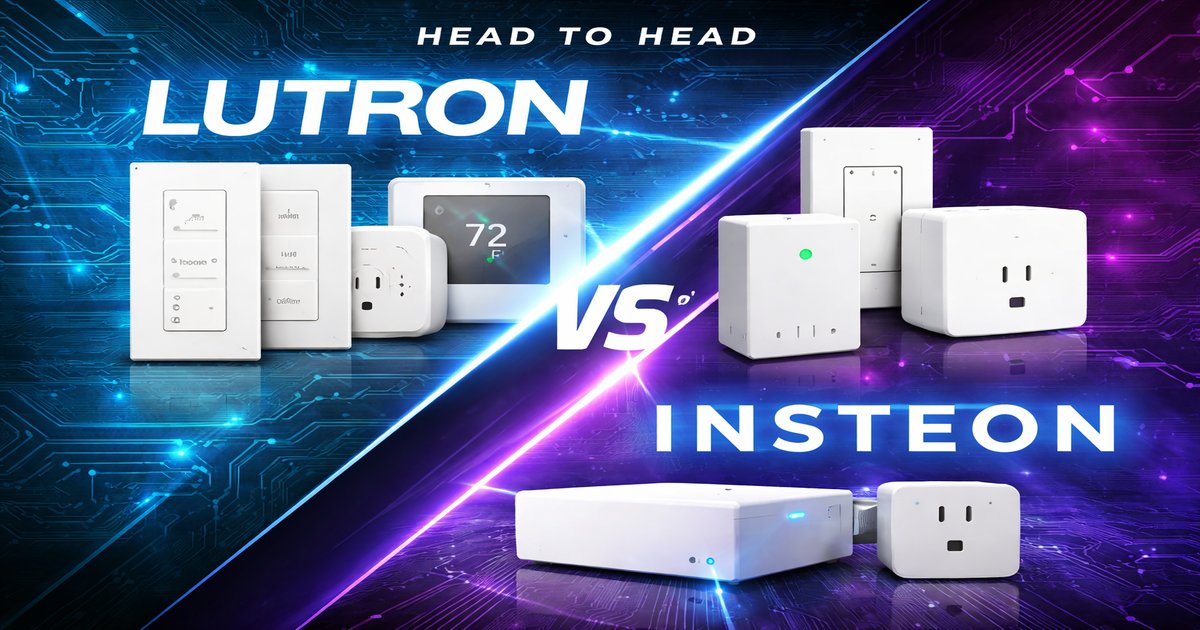

You’re finally ready to make your home smarter, but the sheer number of options has you feeling like you’re drowning in tech jargon. Lutron and Insteon are two big names in home automation, but which one is going to make your life easier without emptying your wallet? Let’s break down the essentials so you can make an informed choice.
| Specification | Lutron | Insteon |
|---|---|---|
| Platform Compatibility | Apple HomeKit, Alexa, Google Assistant | Alexa, Google Assistant, HomeKit |
| Wireless Range | 30 feet | 150 feet |
| Installation Complexity | ✓ Easy | ✗ Moderate |
| Integration with Other Devices | Limited | Extensive |
| App Usability | Intuitive | Complex |
| Price Range | Mid to High | Low to Mid |
✅ lutron Pros
- Intuitive app interface that’s easy to navigate for beginners.
- Seamless integration with major smart home platforms.
- Reliable performance with fewer connectivity issues.
❌ lutron Cons
- Higher price point compared to competitors.
- Limited device integration options.
✅ insteon Pros
- Extensive range of device integrations and compatibility.
- More affordable entry-level options.
- Superior wireless range for larger homes.
❌ insteon Cons
- App interface can be confusing and complex to navigate.
- Installation can be challenging for those not tech-savvy.
Performance: Consistency vs. Range
Lutron shines with its consistent performance and fewer connectivity hiccups, which is a godsend if you’ve ever battled with a device that randomly drops off the network. However, if you live in a sprawling home, Insteon’s superior wireless range could be a game-changer, reaching up to 150 feet compared to Lutron’s 30 feet. The choice here boils down to your living space: smaller homes will appreciate Lutron’s reliability, while larger homes might need Insteon’s reach.
Build Quality: Durability vs. Aesthetics
Lutron products are well-built and have a sleek, modern design that blends into most home décors, making them a favorite for those who care about aesthetics. Insteon, while sturdy, lacks the same level of polish in design, often appearing more utilitarian. If your smart home setup is more about blending in seamlessly rather than standing out, Lutron might have the edge.
Value: Cost vs. Functionality
Lutron tends to lean towards the pricier side, but you get what you pay for in terms of ease of use and reliability. In contrast, Insteon offers a more budget-friendly approach with a vast array of device compatibility, though at the expense of a steeper learning curve. If you’re tech-savvy and want to integrate a wide range of devices without breaking the bank, Insteon could be the better value.
Lutron is fantastic if you want a smooth, user-friendly experience, but be prepared to pay a premium. Insteon might save you some cash upfront, but expect to invest time in setup and troubleshooting. Neither system is flawless, so weigh your priorities carefully.
Our Final Verdict: Which One Should You Buy?
If you’re someone who values ease of use and reliability, and you don’t mind spending a bit more for a hassle-free experience, Lutron is your best bet. For the tech enthusiasts who love tinkering and want to maximize compatibility with a diverse range of devices, Insteon offers great value with its extensive integration capabilities, though it requires more patience and effort.
Is Lutron compatible with my existing smart home devices?
Lutron works well with major platforms like Apple HomeKit, Alexa, and Google Assistant, but check specific device compatibility if you have niche products.
How difficult is it to install Insteon devices?
Installation can be challenging if you’re not familiar with smart home setups, often requiring more steps and technical know-how compared to Lutron.
Which system offers better long-term reliability?
Lutron generally provides more consistent performance with fewer issues over time, while Insteon’s complexity can sometimes lead to more troubleshooting.