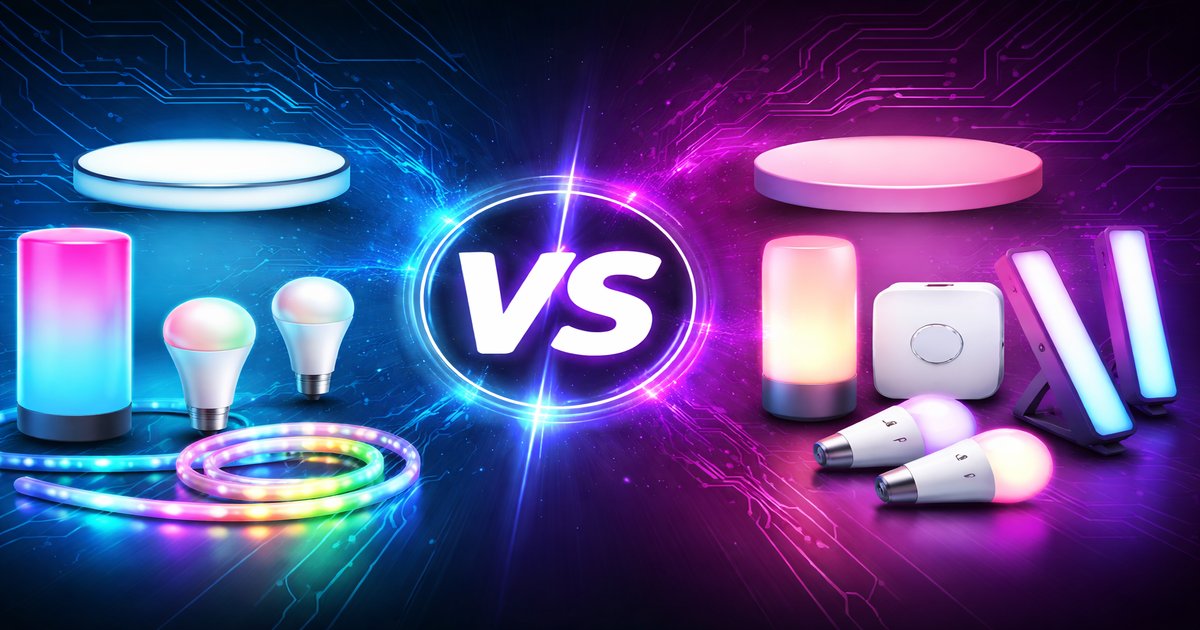


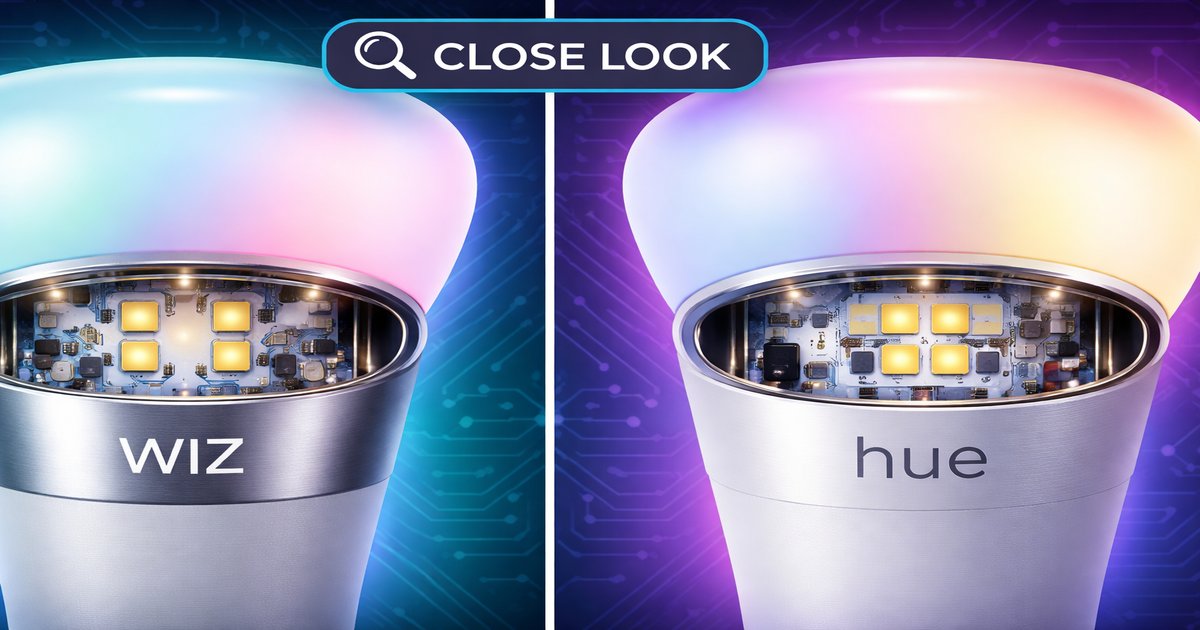

Choosing between Wiz and Hue smart lights can feel like picking a team for your fantasy league. Both are popular, but which one will truly light up your home the way you want it? Let’s break it down so you can make a choice that doesn’t leave your wallet or your mood in the dark.
| Feature | Wiz Lights | Hue |
|---|---|---|
| Price Range | $10 – $30 | $15 – $60 |
| Hub Required | ✗ | ✓ |
| Voice Control | ✓ | ✓ |
| Compatibility | Google Assistant, Alexa | Google Assistant, Alexa, Apple HomeKit |
| Color Options | 16 million | 16 million |
| App Usability | Simple | Feature-rich |
✅ wiz lights Pros
- Affordable pricing without compromising quality.
- No hub required for setup, making it hassle-free.
- Easy integration with Google Assistant and Alexa.
❌ wiz lights Cons
- Limited compatibility with other smart home ecosystems.
- App features are basic compared to competitors.
✅ hue Pros
- Comprehensive smart home integration, including Apple HomeKit.
- Feature-rich app offering advanced customization.
- Reliable performance with robust build quality.
❌ hue Cons
- Higher price point, especially with necessary hub.
- Initial setup can be daunting with hub requirement.
Performance: Brightness and Color Accuracy
Hue lights come through with a punch when it comes to brightness and color accuracy. If you’re setting up a home theater or want your living room to double as a nightclub, Hue’s vibrant and rich colors will not disappoint. Wiz lights, while they offer the same 16 million colors, tend to fall slightly short in terms of brightness, especially in larger spaces. They’re great for ambient lighting but won’t match Hue’s intensity in a head-to-head showdown.
Build Quality: Durable and Dependable
Hue’s build quality is almost bulletproof. These lights are designed to last, making them a solid investment if you’re planning to stick with them for years. Wiz lights, while generally reliable, can feel a tad less robust in comparison. They work well for those who want to dip their toes into the smart lighting world without a long-term commitment, but if you’re thinking long-term reliability, Hue wins out.
Value: What You Get for Your Money
Wiz lights are the budget-friendly choice with a lot of bang for your buck. They’re perfect for renters or anyone not looking to overhaul their entire lighting system. On the other hand, Hue demands more cash upfront, especially with the hub, but it pays off in the long run with extensive features and ecosystem compatibility. If you plan to expand your smart home system, Hue’s ecosystem makes that a breeze.
Wiz lights might leave you frustrated if you’re a die-hard Apple fan due to the lack of HomeKit support. Also, while Wiz’s app is simple, it may not satisfy power users wanting to fine-tune every aspect of their lighting. Hue’s requirement for a hub can be a dealbreaker if you’re looking to keep your setup minimalistic.
Our Final Verdict: Which One Should You Buy?
If you’re on a budget and want to keep things simple, Wiz lights are your go-to. They’re perfect for users who want smart lighting without the fuss. However, if you’re looking for a sophisticated system that integrates seamlessly with a broader smart home setup, and you don’t mind shelling out a bit more, Hue is the way to go. It’s ideal for tech enthusiasts who want to maximize control and customization.
Do Wiz lights work with Apple HomeKit?
No, Wiz lights do not support Apple HomeKit. They work with Google Assistant and Alexa.
Can I use Hue lights without a hub?
Technically yes, but their full functionality and integration benefits are unlocked only with the Hue Bridge.
How long do these smart bulbs last?
Both Wiz and Hue lights have a lifespan of around 15,000 to 25,000 hours, depending on usage.