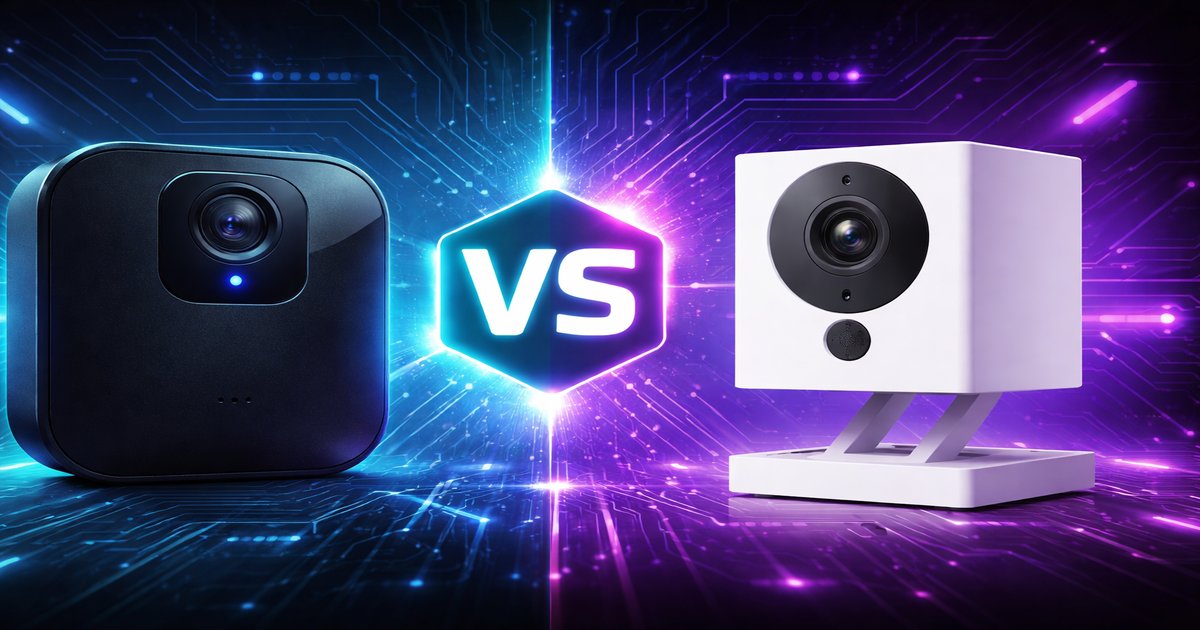


You’re standing at your front door, juggling groceries while trying to unlock your phone to view an alert from your security camera. It’s a familiar scene, and choosing between Ring and Arlo could make that juggling act a lot less stressful. Let’s break down which of these surveillance systems is going to have your back when it matters most.
| Feature | Ring | Arlo |
|---|---|---|
| Video Quality | 1080p HD | 4K Ultra HD |
| Field of View | 160° | 180° |
| Cloud Storage | ✓ (Subscription) | ✓ (Subscription) |
| Local Storage | ✗ | ✓ |
| Smart Home Integration | Amazon Alexa | Amazon Alexa, Google Assistant, Apple HomeKit |
| Night Vision | ✓ | ✓ |
✅ ring Pros
- Affordable pricing
- Seamless integration with Amazon Alexa
- Easy to install and use
❌ ring Cons
- No local storage option
- Limited smart home compatibility
✅ arlo Pros
- Superior video quality with 4K resolution
- Supports multiple smart home platforms
- Offers local storage options
❌ arlo Cons
- Higher price point
- Complex installation process
Performance: Video Quality and Storage
Arlo stands out with its 4K Ultra HD video quality, which provides unmatched clarity, especially useful for identifying faces and license plates. If video quality is your top priority, Arlo’s got the edge. On the flip side, Ring’s 1080p HD still delivers a solid picture and is more than adequate for general surveillance. Arlo also gives you the flexibility of local storage, a godsend if you’re wary of cloud subscriptions or internet outages. Ring users are bound to cloud storage, which can add up over time with subscription fees.
Build Quality and Installation
Ring wins hands down in terms of ease of installation. If you’re a DIY enthusiast, you’ll appreciate how quickly you can set up a Ring device without needing a degree in electrical engineering. Arlo, while robust and offering more features, tends to be a bit more complex to install, often requiring professional help if you’re not technically inclined. That said, Arlo’s build is solid and feels more premium, which might justify the fuss of a more elaborate setup.
Value for Money
If budget is your primary concern, Ring’s lower price point makes it a more accessible option without sacrificing basic security features. However, Arlo offers more bang for your buck if you’re willing to invest. Its video quality, smart home compatibility, and local storage options provide a comprehensive security solution that might justify the higher cost, particularly if you plan to integrate it into a larger smart home ecosystem.
Here’s what most reviews won’t tell you: both Ring and Arlo come with subscription models that can add unexpected costs over time. Arlo’s superior video quality also means larger file sizes, potentially requiring more storage space. Ring’s lack of local storage means you’re totally dependent on their cloud service, which could be a deal-breaker if your internet is spotty.
Our Final Verdict: Which One Should You Buy?
If you’re a budget-conscious user who prioritizes ease of installation and Alexa integration, Ring is your go-to. It’s perfect for renters or those just starting their smart home journey. On the other hand, if you’re a tech-savvy homeowner willing to invest in superior video quality and more comprehensive smart home integration, Arlo is the way to go. Its features cater to those who want a top-tier security setup.
Is the Ring compatible with Google Assistant?
No, Ring primarily integrates with Amazon Alexa, which could limit your options if you’re using Google Assistant or Apple HomeKit.
Does Arlo require a subscription for cloud storage?
Yes, while Arlo offers local storage, a subscription is required for cloud storage features, such as 30-day video history.
How durable are these cameras against weather conditions?
Both Ring and Arlo cameras are designed to be weather-resistant, handling rain and snow well. However, extreme conditions might still pose a challenge.