

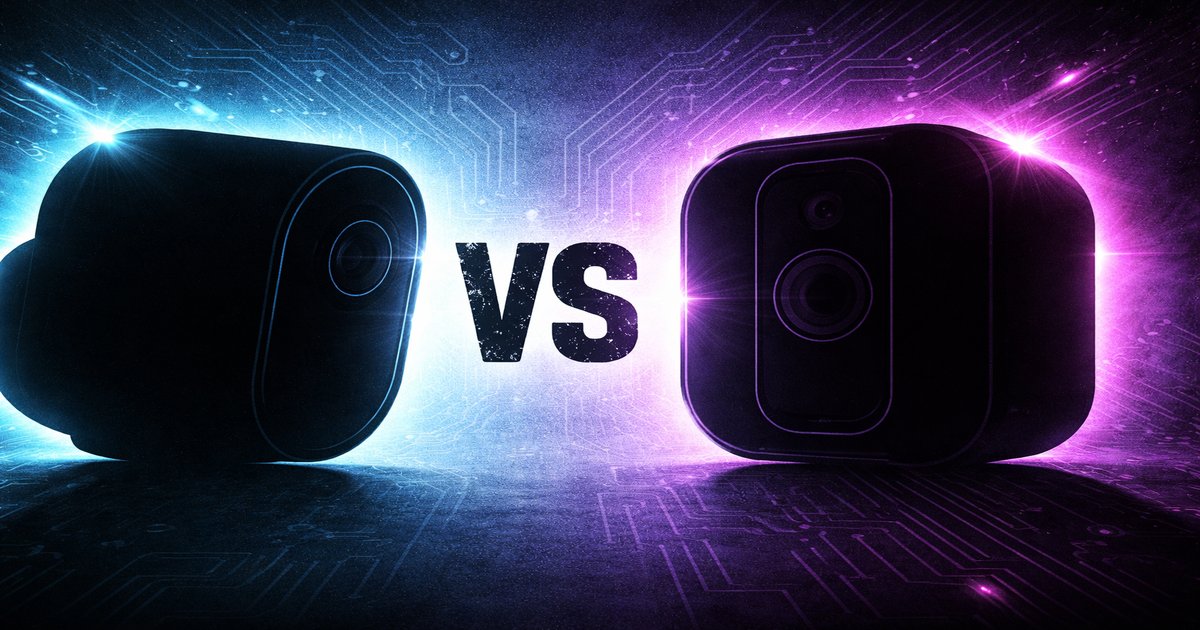

You’ve finally decided to up your home security game, but you’re torn between two popular brands: Arlo and Blink. Both promise peace of mind, but which one should you trust to keep an eye on your castle?
| Feature | Arlo | Blink |
|---|---|---|
| Video Quality | 2K | 1080p |
| Field of View | 160° | 110° |
| Battery Life | 6 months | 2 years |
| Two-Way Audio | ✓ | ✓ |
| Weather Resistance | ✓ | ✓ |
| Smart Home Integration | Amazon Alexa, Google Assistant, Apple HomeKit | Amazon Alexa |
| Local Storage | ✓ (with base station) | ✓ (with sync module) |
✅ arlo Pros
- Superior 2K video quality for clearer images.
- Wider field of view captures more area.
- Integrates with multiple smart home systems.
❌ arlo Cons
- Shorter battery life compared to Blink.
- Higher upfront cost.
- Requires a base station for local storage.
✅ blink Pros
- Longer battery life, lasting up to two years.
- More affordable pricing.
- Compact and discreet design.
❌ blink Cons
- Lower video quality at 1080p.
- Narrower field of view.
- Limited smart home compatibility.
Performance
Arlo pulls ahead with its 2K video quality, delivering sharp and detailed footage. If you’re serious about identifying details like license plates and faces, Arlo’s video performance is a game-changer. Blink, while offering decent 1080p resolution, just can’t compete on clarity. However, Blink’s long battery life means you won’t be changing its batteries every few months, making it a low-maintenance choice for less critical monitoring needs.
Build Quality
Both Arlo and Blink are built to withstand the elements, but Arlo feels more robust and premium in hand. Its design is slightly bulkier, but that’s the trade-off for durability. Blink’s compact form is great for discreet placement, but it doesn’t inspire the same confidence in longevity. If your cameras are going to be exposed to harsh weather, Arlo might be the better bet.
Value
Blink is a clear winner in terms of upfront cost, making it appealing if you’re on a budget. However, consider the trade-offs: Arlo’s higher price buys you better video quality and more smart home integrations. If you’re already invested in multiple smart home ecosystems, Arlo’s compatibility with Google, Alexa, and HomeKit offers more flexibility and future-proofing.
Arlo’s superior video quality comes at the cost of frequent battery changes unless you hardwire it. Blink’s longer battery life is ideal for renters or those who want to set it and forget it, but you might miss critical details with its lower resolution. Both systems offer local storage, but you’ll need extra hardware to make it work.
Our Final Verdict: Which One Should You Buy?
If you’re someone who prioritizes video quality and smart home integration, Arlo is worth the investment, especially if you’re tech-savvy and want a robust, long-term solution. For budget-conscious buyers or renters who value ease of use and long-lasting performance, Blink is a smarter choice. It’s perfect for those who prefer a set-it-and-forget-it approach.
How easy is it to install Arlo and Blink cameras?
Both Arlo and Blink are designed for simple DIY installation, but Blink is slightly quicker due to its compact design and fewer components.
Can Arlo and Blink cameras be used indoors and outdoors?
Yes, both cameras are weather-resistant and suitable for indoor and outdoor use, offering flexibility in placement.
What are the subscription costs for cloud storage?
Arlo’s subscription starts at around $3 per month for a single camera, while Blink offers a free tier with limited features or a paid plan starting at $3 per month.