
You’ve finally decided to smarten up your home lighting, but the sheer number of options can make your head spin. Philips Hue and Sengled are two giants in the smart bulb world, but which one actually deserves a place in your home?
| Specification | Hue | Sengled |
|---|---|---|
| Hub Required | ✓ | ✗ |
| Voice Control | ✓ | ✓ |
| Color Range | 16 million | 16 million |
| Brightness (Lumens) | 800-1600 | 800-1000 |
| App Usability | Highly rated | Moderately rated |
| Price per Bulb | High | Moderate |
✅ hue Pros
- Extensive ecosystem with a wide range of products.
- Outstanding app experience and control options.
- Seamlessly integrates with major smart home systems.
❌ hue Cons
- Requires a hub for full functionality, adding to the initial cost.
- More expensive than most competitors.
- Setup can be more complex for beginners.
✅ sengled Pros
- No hub required for basic functions, making setup straightforward.
- Competitive pricing makes it budget-friendly.
- Reliable performance with voice control compatibility.
❌ sengled Cons
- App interface is not as intuitive as Hue’s.
- Limited ecosystem compared to Hue.
- Lower brightness range might not suit all lighting needs.
Performance
When it comes to performance, Hue shines—literally and figuratively. With up to 1600 lumens, it can light up a room like nobody’s business. Its color accuracy is exceptional, providing vibrant and true-to-life colors. On the other hand, Sengled maxes out at around 1000 lumens, which is decent for smaller spaces but might leave you wanting in larger areas. If you’re looking to create dynamic lighting scenes, Hue’s more extensive color range will serve you better. However, if basic lighting needs are your focus, Sengled performs consistently well without the extra frills.
Build Quality
Both brands sport solid build quality, but Hue edges out with its premium materials and attention to detail. The bulbs feel robust and are designed to last, which justifies their higher price. Sengled, while not flimsy, doesn’t quite match Hue’s level of craftsmanship. Their bulbs are durable for the price point, but they lack that premium feel. For everyday use, both will hold up, but if you’re aiming for a high-end smart home setup, Hue adds that extra layer of sophistication.
Value for Money
Sengled offers significant value for those just dipping their toes into smart lighting. With no hub required, you save money and simplify the setup process. For budget-conscious users who want essential smart features, it’s a no-brainer. Hue, however, targets the tech enthusiast ready to invest in a connected home. The ecosystem’s versatility, though pricier, pays off if you plan on expanding your smart home over time. In essence, your choice here boils down to immediate savings versus long-term investment.
Most reviews gloss over the fact that while Hue offers more features, it can be overkill for someone who just wants simple smart lighting. Sengled, although cheaper, doesn’t provide the same level of integration with other smart devices, which could limit future expansion. Be clear about your needs before making a decision.
Our Final Verdict: Which One Should You Buy?
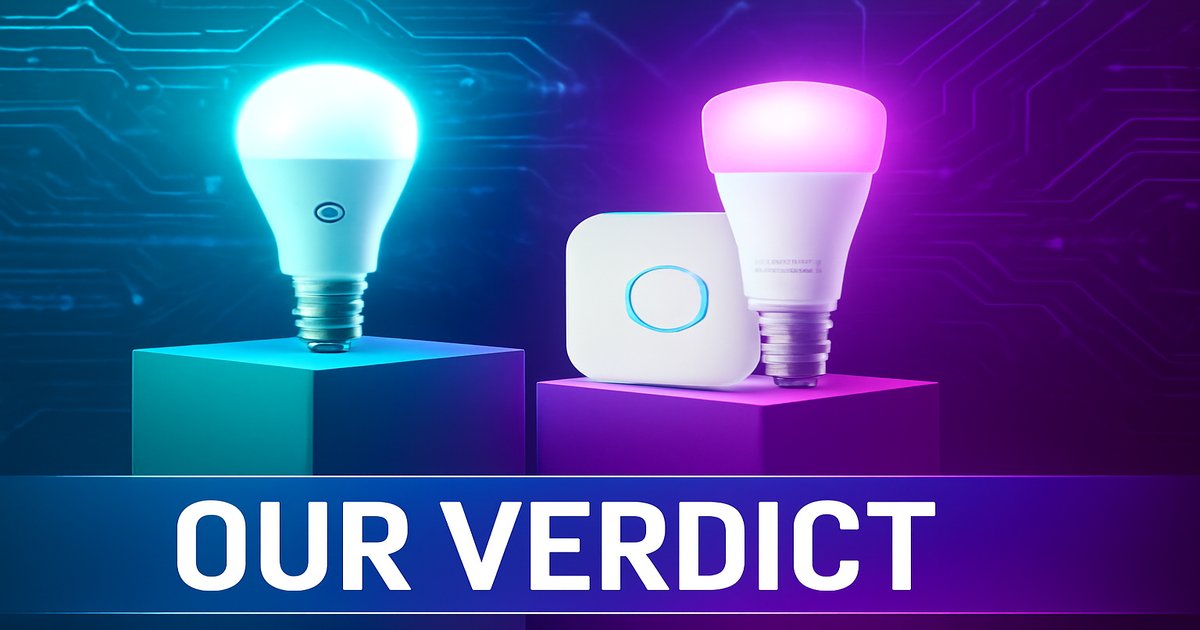
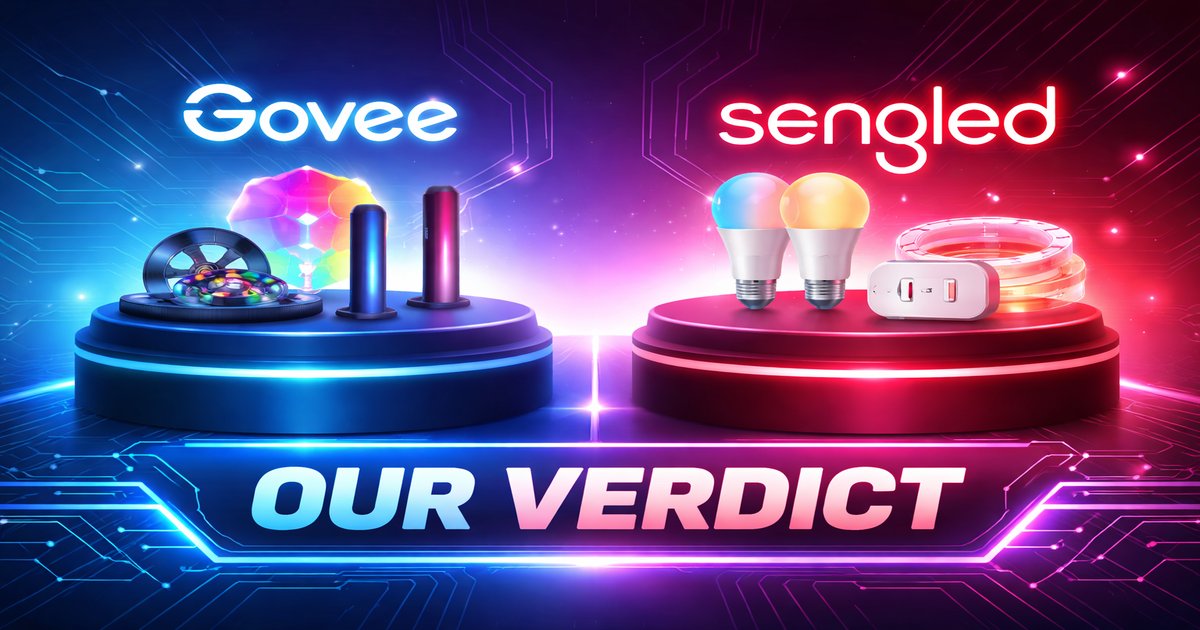
If you’re a tech-savvy smart home enthusiast who values a vast ecosystem and premium experience, Philips Hue is your best bet. However, if you’re budget-conscious and seeking straightforward smart lighting without the fuss, Sengled offers a solid, no-hassle option that won’t break the bank.
Do I need a hub to use these smart bulbs?
Hue requires a hub for full functionality, which adds to the cost but enhances integration. Sengled can operate without a hub, simplifying setup and reducing initial expenses.
Are these bulbs compatible with voice assistants?
Both Hue and Sengled bulbs are compatible with popular voice assistants like Amazon Alexa and Google Assistant, allowing for convenient hands-free control.
How long do these smart bulbs last?
Both brands offer bulbs with a lifespan of around 25,000 hours, ensuring you won’t need replacements anytime soon. It’s a good investment for long-term use.